PRK Candidates
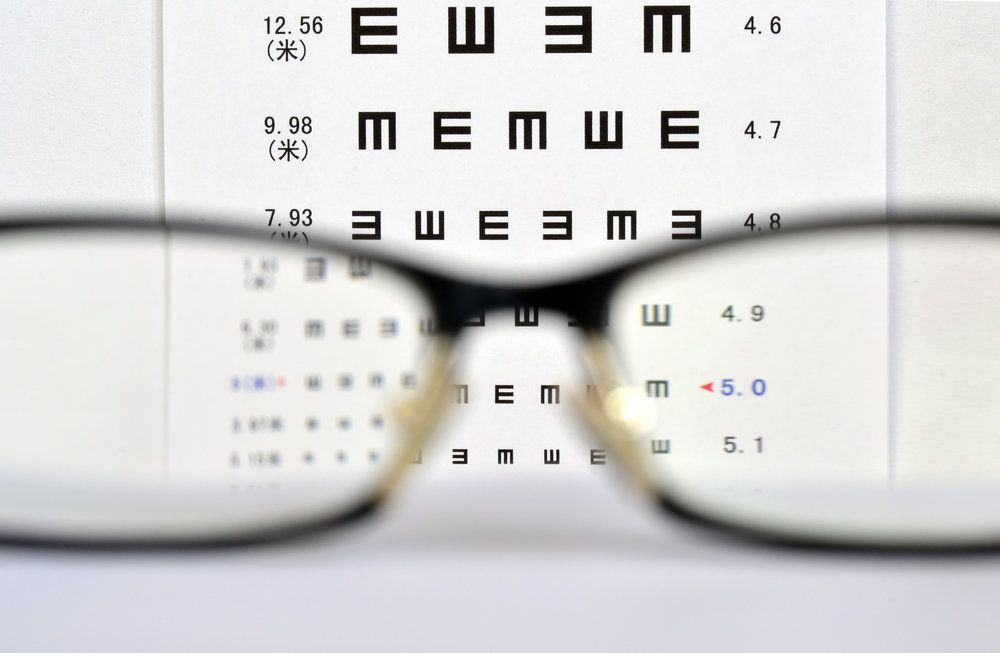
PRK (photorefractive keratectomy) allows patients to experience excellent vision without prescription glasses and contact lenses.
Assessing PRK candidacy is similar to determining if someone is a good candidate for LASIK. We take time to consider many factors.
Do you qualify for PRK with Dr. Andrew E. Holzman?
General Criteria
For PRK Surgery

Refractive Error
PRK surgery treats nearsightedness (myopia), farsightedness (hyperopia), and astigmatism. Only patients suffering from refractive errors are eligible for the procedure.

Stable Prescription
Patients must have a stable glasses or contact lens prescription for at least one year. This ensures PRK surgery isn’t performed too soon and will be as effective as possible.

Over 18 Years Old
Laser eye surgery patients must be at least 18 years old. At that age, their eyes will have stopped maturing, allowing for better, longer-lasting results.

Healthy Eyes
PRK patients should have healthy eyes and should not have experienced any ocular injuries or eye infections in the last year.
Say Goodbye To Glasses
PRK As A LASIK Alternative
Weighing Vision Correction Options
Corneas Too Thin for LASIK
Preventing Flap Complications

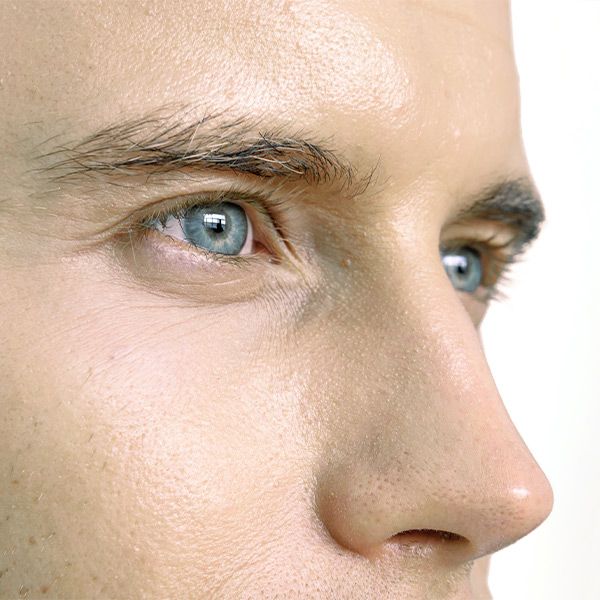
Patients who participate in contact sports or have jobs that may subject them to eye injuries may not be good candidates for LASIK due to the possibility of flap complications. These patients may be better candidates for PRK.
Poor Candidates
For PRK Surgery

Currently Pregnant or Nursing
Women who are currently pregnant or nursing will need to wait to undergo PRK surgery. We’ll offer insight into timing during the consultation process.

Suffering from Dry Eye Syndrome
Dry eye and thin corneas can jeopardize LASIK results and overall eye health. We use the Oculus PENTACAM to measure corneal thickness and shape. We will also discuss your medical history and eye conditions directly with you, combining technology with human connection.

Keratoconus and Eye Abnormalities
Keratoconus causes the cornea to become progressively thinner, altering eye shape. This and other corneal abnormalities can possibly prevent someone from undergoing PRK.

Eye Problems and Health Issues
Many vision and medical conditions prevent people from undergoing PRK, including glaucoma, diabetes, arthritis, autoimmune diseases, and collagen vascular disease.

Use of Certain Medications
Drugs such as Imitrex®, Accutane®, Cordarone®, and steroids interfere with the healing process. PRK should only be performed after discontinued medication use.
Assessing PRK Candidacy
Patient-Centered Care
Whether you’re interested in PRK or LASIK, Dr. Holzman and his team put your needs first. When you visit one of our locations in Washington, DC, Virginia, or Maryland for a free consultation, here’s what you can expect:
Full Eye Exam
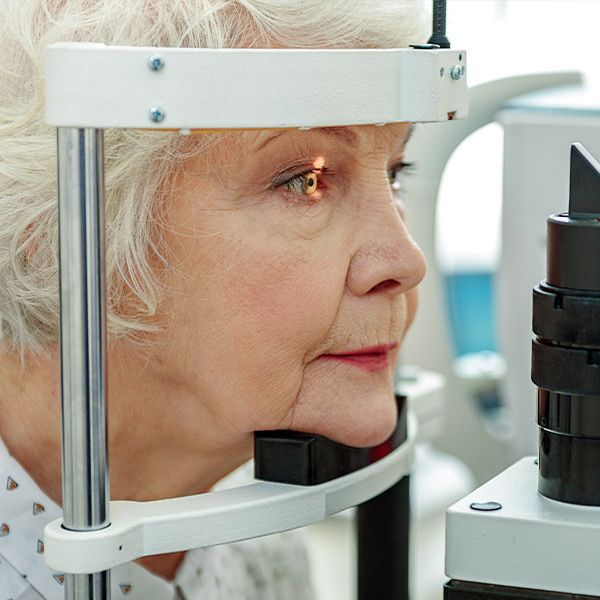
During your free consultation, Dr. Holzman will perform a full examination of your eyes. In addition to checking the health and thickness of the corneas, he will go over your medical history and personal vision correction goals.
Advanced Technology
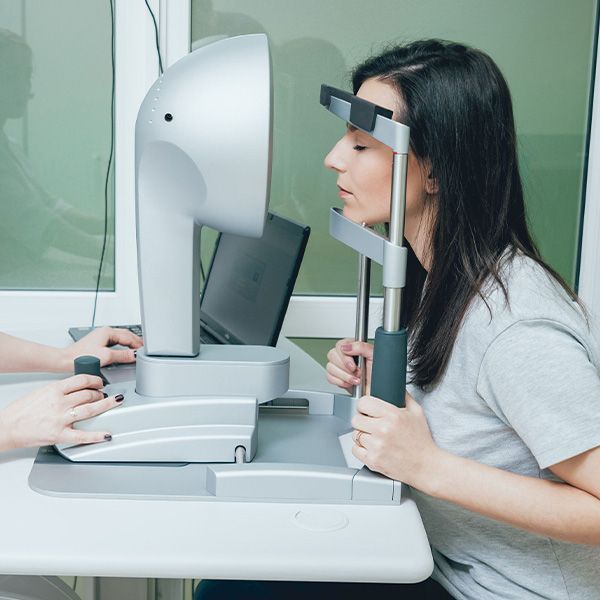
Laser vision technology goes beyond computer-guided excimer lasers. We use the Bausch Lomb Orbscan™ II, wavefront technology, and more for detailed scans of your cornea, helping us assess and determine candidacy.

Discussing Concerns
During your free consultation, we’ll answer any questions and discuss all of your concerns. Feel free to ask Dr. Holzman about pricing compared to contact lenses, post-op side effects, risks, or anything else.
5-Star Laser Vision Correction
By An Experienced Eye Surgeon

2020


Had my surgery Wednesday and was immediately seeing so much better. As they say, the first 48 hours it fluctuates, bit no pain nor discomfort and my vision is stabilizing with amazing clarity! Dr. Holzman kept me cool, calm, and collected the whole time, and it was so fast you wouldn’t even know it happened. Very appreciative I finally went ahead and did it!

2019
I have been wearing glasses/contacts for over 27 years and have been debating on LASIK for quite some time until listening to my husband after he went for his consult. Then he showed me Dr. Holzman’s web site and I knew I would be in safe hands and have no worries. The whole staff knew what they were talking about and very friendly with loads of expertise. I knew if I truly wasn’t a candidate they would let me know. I then knew they weren’t in it for the money. They just wanted to do the right thing for the patient. They recommended me for the PRK instead of LASIK. My healing process has been a little longer but each day is getting better and the hassle of no glasses or contacts is well worth it. Everything they have told me to expect have been true to their every word and to have patience. They give you the drops for a reason. I highly recommend their office!