
PRK
Laser vision correction is a life-changing solution for those who are dependent on corrective eyewear, but not everyone qualifies for LASIK.
Fortunately, Andrew E. Holzman, MD, FACS, of greater Washington DC also offers PRK, a forerunner of LASIK that remains an effective option.
Why is PRK a better option than LASIK for some patients?
Why We May Recommend PRK

Lower Risk of Complication
Because this procedure does not require the creation of a corneal flap, some patients with abnormally shaped corneas may benefit from a more superficial procedure

Broader Candidacy
PRK is better than LASIK for patients whose corneas are too thin or whose lifestyles or professions are likely to disturb a corneal flap.

Fantastic Results
After PRK eye surgery, patients can experience 20/20 vision or better and end their dependence on eyeglasses or contact lenses.
Dr. Holzman Explains PRK
In this video, Dr. Holzman explains how PRK eye surgery is different from LASIK surgery, and why he recommends it to some patients who visit his Holzman Laser Vision Centers in Washington DC, Virginia, and Maryland.
Trust Your Care to Dr. Holzman
A National Leader in Laser Vision Correction
-
Experienced
During a career that has lasted more than 20 years, Dr. Holzman has successfully completed over 90,000 vision correction procedures.
-
Board-Certified
Dr. Holzman maintains membership in numerous medical societies and is proud to be certified by the American Academy of Ophthalmology.
-
Sought-After
Dr. Holzman’s excellent reputation has made him the ophthalmologist of choice for professional athletes, celebrities, and other eye doctors.
-
Honest
In a free consultation with Dr. Holzman, he will honestly recommend whether you are a good candidate for laser vision correction.
“The Results Have Been Amazing”
PRK Patients Give Dr. Holzman 5 Stars

2019


Dr. Holzman performed PRK surgery on me about a month ago, and I wanted to share my experience. My vision correction is so much better than with eyeglasses. Everything you can see (entire field of vision) is in focus for long-distance and middle-distance vision. Compared with eyeglasses, there is a wider field of view compared with glasses, but markedly less distortion and much sharper long-distance vision – my vision is better than with eyeglasses. If you are considering Lasik or PRK I recommend that you have an exam with Dr. Holzman and discuss your options. I’m happy I decided to have the procedure, and was really impressed by Dr. Holzman, and the results have been amazing – my eyesight is better than with eyeglasses!…

2019
I have been wearing glasses/contacts for over 27 years and have been debating on Lasik for quite some time until listening to my husband after he went for his Consult. Then he showed me Dr. Holzman’s web site and I knew I would be in safe hands and have no worries. The whole staff knew what they were talking about and very friendly with loads of expertise. I knew if I truly wasn’t a candidate they would let me know. I then knew they weren’t in it for the money. They just wanted to do the right thing for the patient. They recommended me for the PRK instead of the Lasik. My healing process has been a little longer but each day is getting better and the hassle of no glasses or contacts is well worth it. Everything they have told me to expect have been true to their every word and to have patience. They give you the drops for a reason. I highly recommend their office!
What Is PRK?
Photorefractive keratectomy (PRK) is a laser eye surgery that corrects nearsightedness, farsightedness, and astigmatism by reshaping the cornea. The procedure was first approved by the FDA in 1996 and studies have shown that 94 percent of patients experience longterm improvement of their vision after PRK surgery.
The biggest difference between PRK surgery and LASIK surgery is that PRK does not involve the creation of a corneal flap. In a PRK procedure, the surgeon removes the epithelium, or the outer layer of the cornea, entirely in order to access the stroma, or inner layer of the cornea. After the surgery, patients are provided with a specialized contact lens that acts like a bandage so the epithelium can naturally heal and grow back.
The different surgical approach to PRK makes it a better option than LASIK for patients with thin corneas, certain corneal conditions, or professions or hobbies that put them at high risk of damaging a corneal flap.
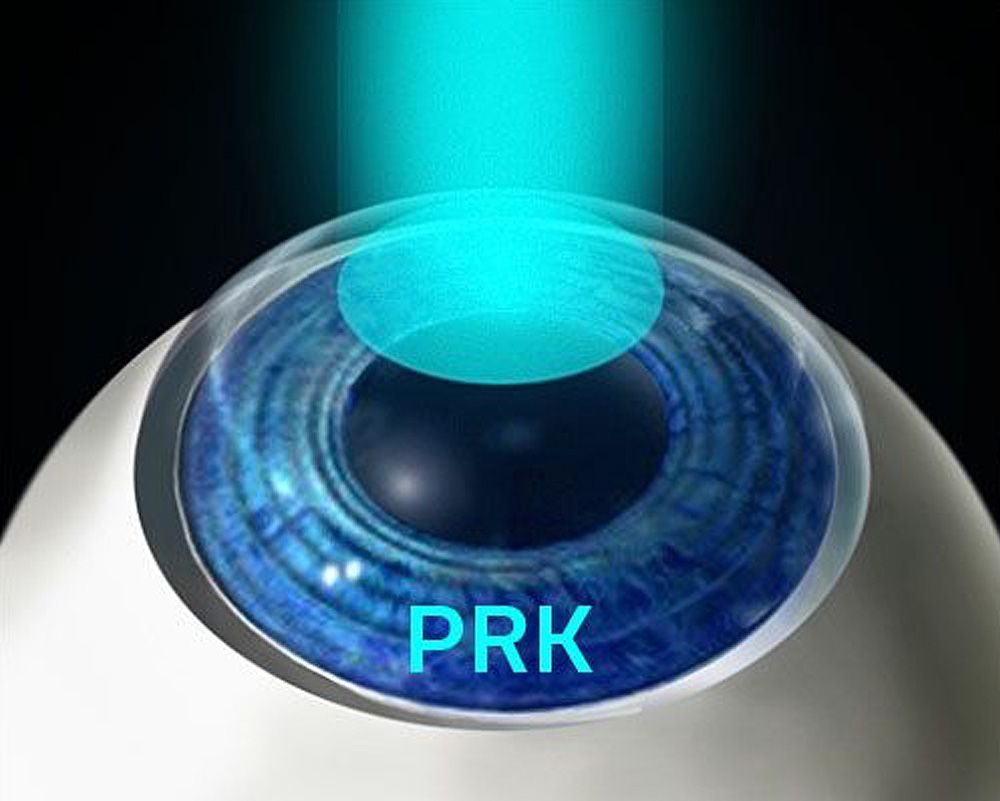
Photorefractive keratectomy can give patients 20/20 vision or better.
“PRK surgery has changed my life.”
For many patients like Rachel who have thin corneas, PRK is typically recommended over LASIK. In this PRK testimonial, she says Dr. Holzman’s treatment has given her greater freedom and dramatically improved vision. She now looks forward to experiencing upcoming life events with far greater clarity.
Impressive Percentages
95%
Studies show that 95 percent of PRK patients are satisfied with their results, similar to LASIK’s satisfaction rate.
>90%
More than 90 percent of patients achieve at least 20/40 vision after PRK, and more than 70 percent achieve 20/20 vision.
1%
As few as one percent of our patients require a touch-up procedure following their initial surgery.
5%
Just five percent of patients need to continue wearing glasses or contacts (usually at a much lower prescription) after PRK.
Curious about Laser Eye Surgery?
Schedule a Free Consultation
Have you had enough of eyeglasses and contact lenses? Are you looking into laser vision correction? If you live in the greater Washington DC area, we invite you to schedule a totally free consultation with Andrew E. Holzman, MD, FACS, at any of his four convenient locations.
During your free consultation, Dr. Holzman will ask about your medical history and conduct an eye exam to determine what form of laser eye surgery is best for you. He is committed to maintaining patient safety by only operating on excellent candidates, so you can trust that whatever surgery he recommends is truly the right choice for you.
While LASIK has become the most well-known laser vision correction option, PRK surgery is just as effective and is often a safer choice for some patients. Whichever method ends up being right for you, your vision will be in good hands with Dr. Holzman, a board-certified ophthalmologist and one of the most respected laser eye specialists in the nation.
To request a free consultation, please fill out our online form or call the office that is closest to you.
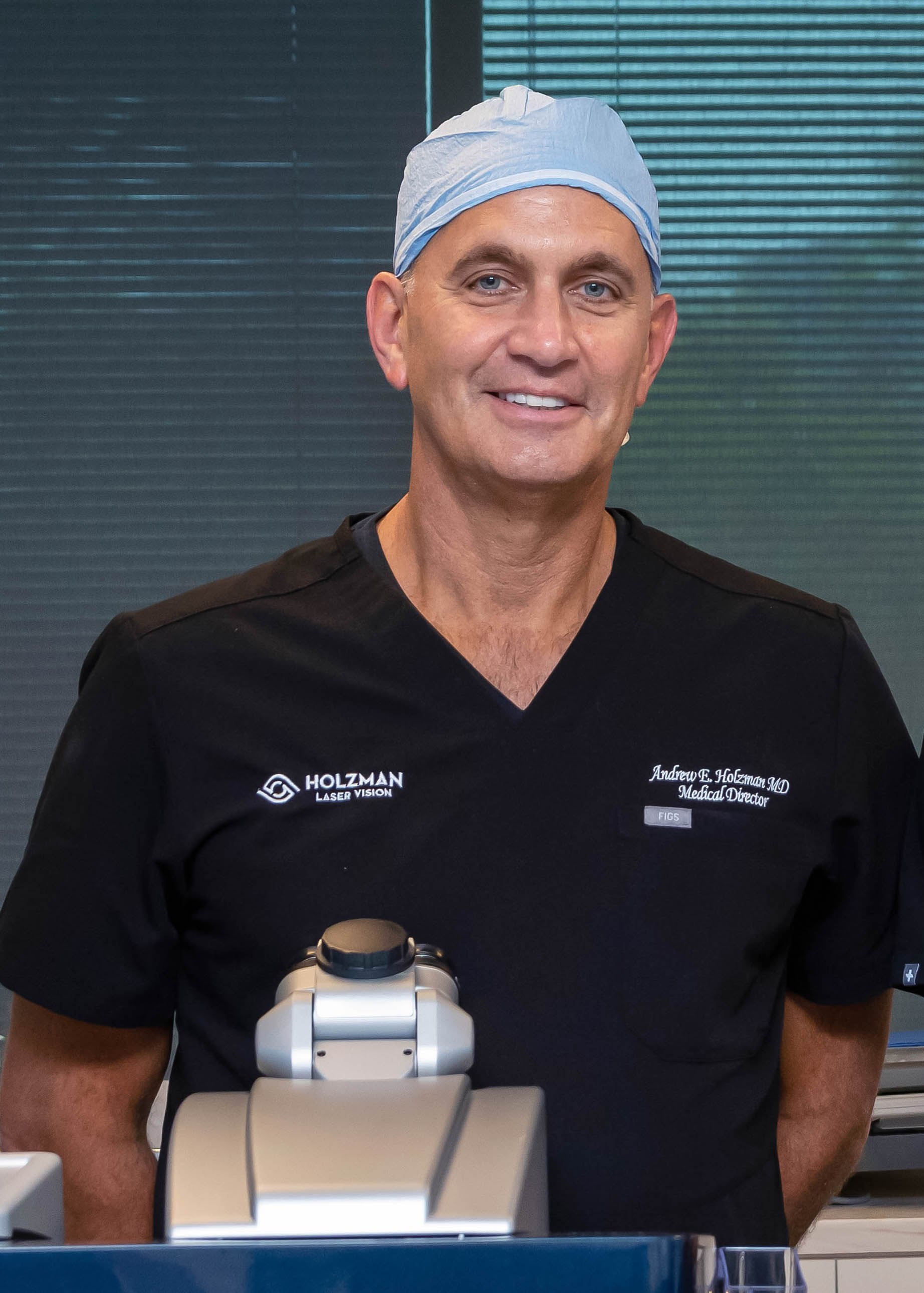
Andrew E. Holzman, MD, FACS, is medical director of Holzman Laser Vision in the greater Washington DC area.
Achieve 20/20 Vision… or Better!
“I had PRK surgery in 2012 and now have 20/15 vision in both eyes. I couldn’t be more pleased with the result. My only regret is not doing it sooner. Money well spent!”
Pete Snyder – Five-Star Google Review – 2016
Why Reshape the Cornea?
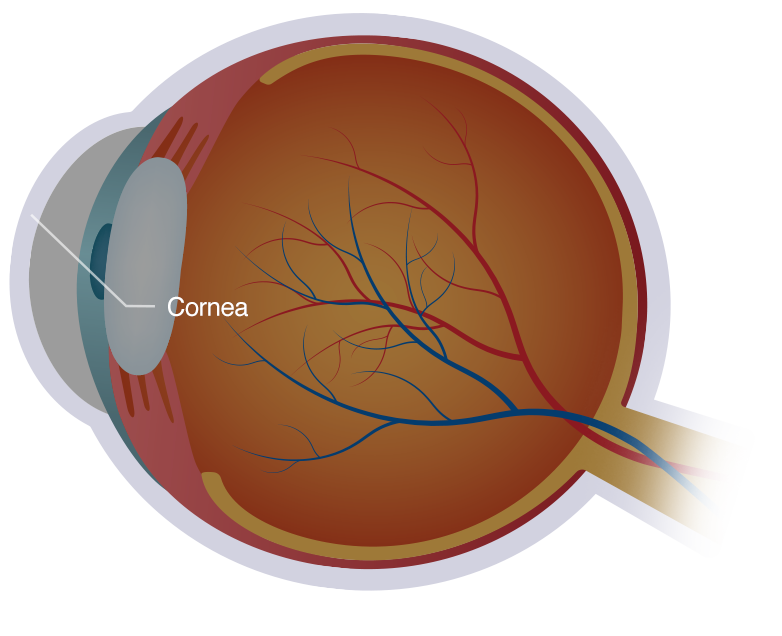
Corrective lenses like eyeglasses and contact lenses assist our vision by refracting light in such a way that it compensates for the errors in our corneas. However, by reshaping the cornea itself, we can eliminate the need for glasses or contacts and give the eye the natural ability to see at a level of 20/20 or better.
What Can PRK Treat?

Myopia
For nearsighted patients, the goal of the PRK procedure is to flatten a steep cornea.

Hyperopia
For farsighted patients, surgery is used to increase the curvature of a cornea that is too flat.

Astigmatism
To treat astigmatism, the procedure reshapes the cornea, making it more spherical.
Refining the Shape of the Cornea
Who Chooses PRK?
Patients with certain conditions are not good candidates for LASIK but are often good candidates for a PRK procedure. These conditions include:
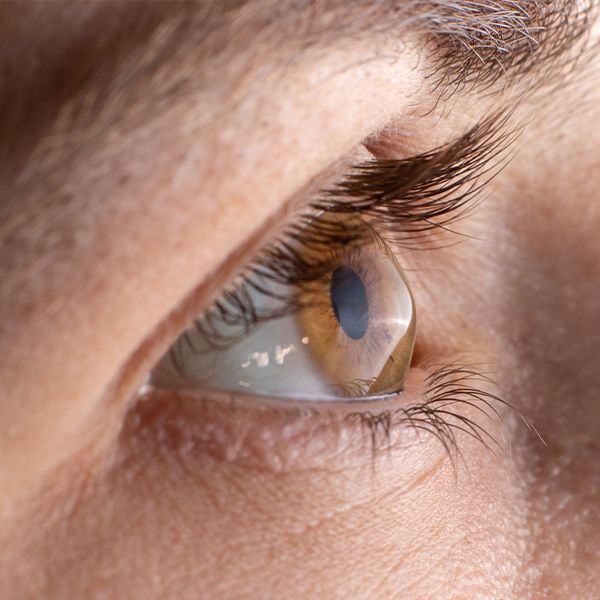
Thin Corneas
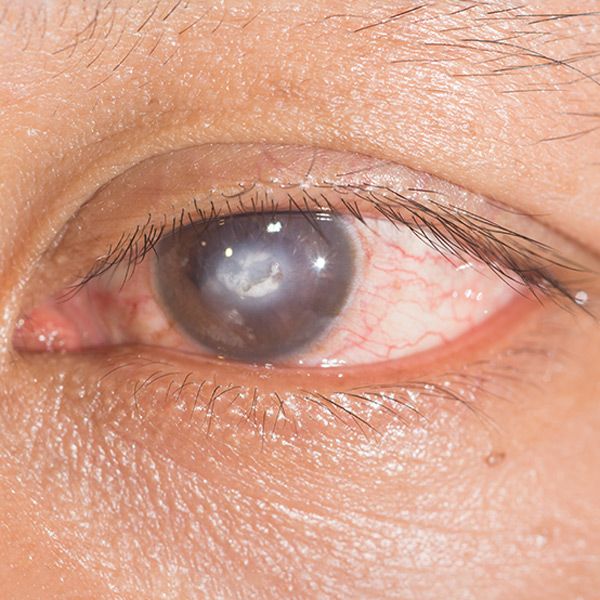
Corneal Scars
Candidacy Factors

Age
In order to qualify, you must be over 18 years of age to ensure that your eyes have stopped developing.

Stable Vision
You should also have had stable vision for at least a year. If your prescription is still changing, it is best to wait.

Medications
You should not be taking medications such as Imitrex®, Accutane®, Cordarone®, or any steroids that can interfere with healing.

Certain Eye Conditions
Conditions such as keratoconus (a corneal condition) or glaucoma may disqualify you from this procedure.

Allergies
You should have no allergies to local anesthesia since your eyes will need to be numbed before surgery.

Autoimmune Diseases
Patients should be free of autoimmune diseases or immunodeficiencies, which can interfere with proper healing.

Diabetes and Arthritis
In order to qualify, you should not have systemic diseases such as diabetes or certain types of arthritis.

Scarring
Eligible patients must not be predisposed to keloids, which consist of irregular or excessive scarring at the surgical site.

Other Diseases
Those considering PRK eye surgery should not have collagen vascular disease since it can lead to corneal ulceration.

Pregnancy
You should not be pregnant if you’re undergoing refractive surgery.
Who’s a Candidate for PRK?
About 20% of Dr. Andrew Holzman’s patients are better PRK candidates than they are LASIK candidates. Generally, a patient will be deemed a PRK candidate at any of the HLV facilities in Virginia, Maryland, or Washington D.C. if they have thin corneas or if they are engaging in physical contact in their daily routine.
Comprehensive Candidacy Evaluations
Dr. Holzman has performed over 90,000 vision correction procedures with life-changing outcomes. You can expect that he will not recommend PRK eye surgery unless he determines that you are an excellent candidate.
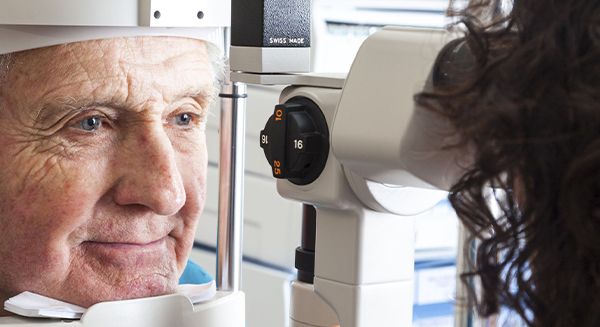
Find Out If You Qualify
Perfect vision could be just a phone call away. Find out if you qualify for a PRK procedure by scheduling a free consultation at one of our practices in Washington DC, Virginia, or Maryland. Request a consultation by filling out our online form or calling one of our offices.
Patients Highly Recommend Dr. Holzman
We Have over 100 Five-Star Reviews on Google

2020
Had my Surgery Wednesday and was immediately seeing so much better. As they say, the first 48 hours it fluctuates, bit no pain nor discomfort and my vision is stabilizing with amazing clarity! Dr. Holzman kept me cool, calm and collected the whole time, and it was so fast you wouldn’t even know it happened. Very appreciative I finally went ahead and did it!

2019
I just got my procedure done by Dr. Holzman. Talk about better than expected! Doc made it super comforting!! He prepped me in such away that it calmed all nerves going into the procedure. He even follows up personally the same night. Recommending him to everyone I know who wants to get laser vision.
PRK Step-by-Step
A Treatment Timeline
When you schedule a PRK surgery with Andrew E. Holzman, MD, FACS, at any of our Holzman Laser Vision Centers in greater Washington DC, please be sure to arrive on time for your appointment. When you arrive, a friendly member of our team will greet you and give you a sedative to help you relax. We will then prepare you for surgery. The procedure will proceed according to the following timeline:

Preparation
We will clean the area around your eyes and then apply anesthetic eye drops to keep you comfortable.

Speculum Placement
Once your eyes are completely numb, we will place an instrument called a speculum to prevent you from blinking.

Epithelium Removal
Once you have been prepped, Dr. Holzman will precisely remove the thin outer layer the cornea.

Cornea Reshaping
Dr. Holzman will ask you to look directly at a target light while he reshapes your cornea with an excimer laser. Each eye takes less than a minute.

Examination
Following your PRK procedure, Dr. Holzman will examine your eyes with a slit lamp to assess the results.

Soft Lens Placement
He will then place soft contact lenses that act like bandages, which you will need to wear for three to five days.
PRK Recovery
After the surgery, you may experience blurred or hazy vision for one to five days. As the epithelium heals, you may notice some discomfort. To minimize any pain, we can provide you with eye drops and pain medication.
In most cases, you can return to normal activities within one to three days. Your vision may continue to fluctuate for up to six months following the procedure.
Post-Operative Guidelines
Before you leave our offices following your treatment, Dr. Holzman will provide you with the following guidelines to ensure that your healing process is quick and comfortable:
- Do not rub your eyes
- Wear protective eyewear as you sleep
- Sweat can harm the healing of your eyes, so only do moderate exercise
- Use artificial tears to keep your eyes moist
- Do not go into a sauna or hot tub
- Can shower normally
- Do not go swimming until you are cleared by your doctor
- Avoid getting particles from smoke, dirt, dust, soap, and other substances in your eyes
- Take Vitamin C and Omega-3 supplements to help the healing process
- Avoid extreme weather conditions for several months
- Notify Dr. Holzman if your bandage contact lens becomes dislodged or if you have symptoms such as irritation or yellow pus in your eye
If you follow Dr. Holzman’s postoperative instructions, you should be able to return to daily activities quickly. As your vision improves over the first few days, you can watch TV, use a computer, or read. Many patients are able to safely drive within the first week following surgery.
With You Every Step of the Way
We are not the type of eye clinic that wants to complete as many procedures as possible and then rush our patients out the door. Dr. Holzman follows up with his patients the night of their surgery and regularly during their recovery. He also provides his patients with his personal cell phone number and email address so they can reach out to him at any time if they have a concern.
If you’re in the market for an eye surgeon, choose a board-certified ophthalmologist who will truly care about you. Schedule your free consultation with Andrew E. Holzman, MD, FACS, right now by filling out our online form or calling any of our offices in the greater Washington DC area.
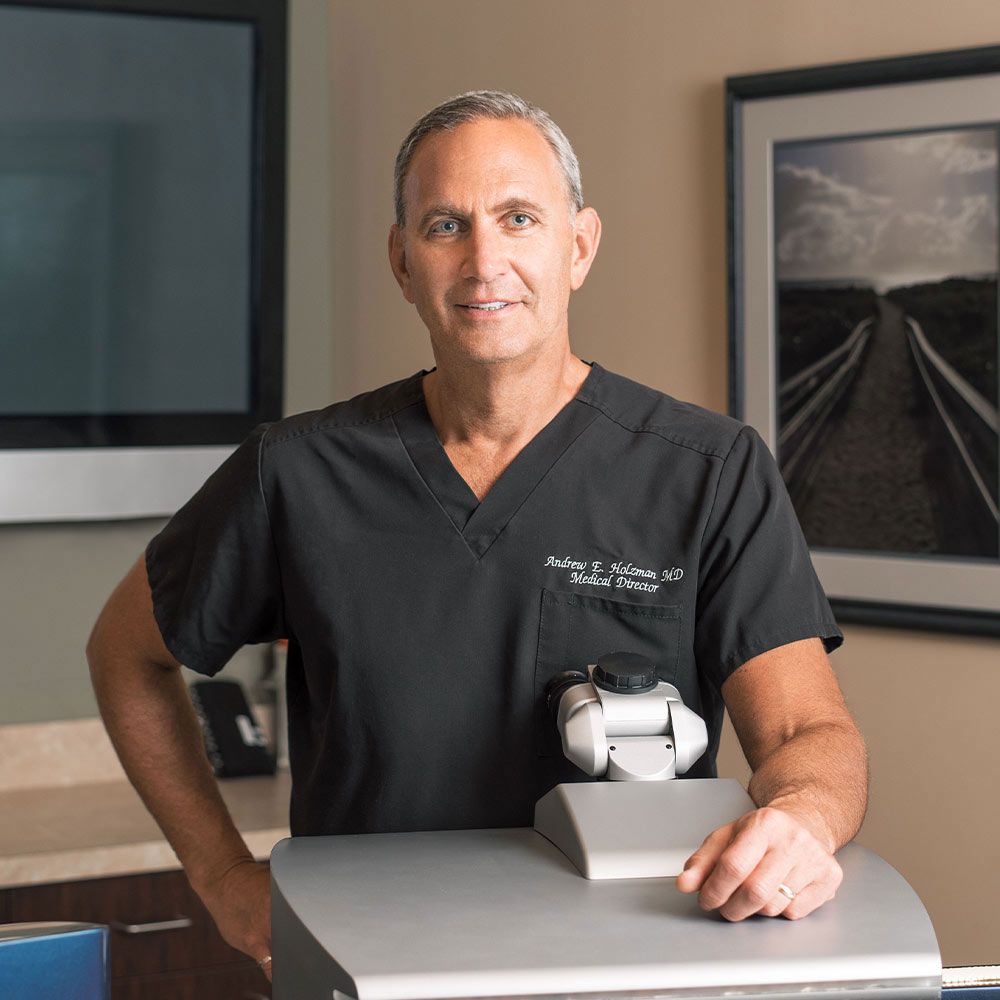
Full Recovery Timeline

1-3 Days
You may experience some irritation, discomfort, and light sensitivity. It is best to take these days off work or school.

3-5 Days
You will return to our office three to five days after your surgery to have the bandage contact lenses removed.

1-3 Months
Your vision should continue to stabilize during this time. Fluctuations should become less frequent. During this period, some patients may also experience a glare or halo effect.

3-6 Months
Your vision should be completely stabilized and you can fully enjoy a reduced or eliminated need for glasses or contacts.
We Put Patients at Ease
Annie Silver – Five-Star Google Review – 2019
Committed to Patient Satisfaction

Patients can rest assured that LASIK eye surgery at our practice is as safe as possible because of our…
Ensure the Best Possible Results
by Choosing Andrew E. Holzman, MD, FACS
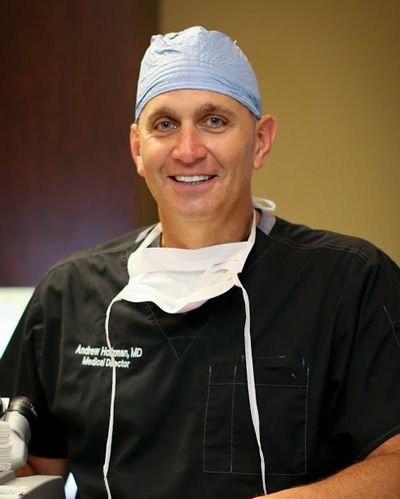
Dr. Holzman has an extremely high success rate with both LASIK and PRK eye surgery. Only one percent of patients who undergo these surgeries at our eye care centers in Washington DC, Maryland, or Virginia require a touch-up procedure in the future. The other 99 percent achieve greatly enhanced vision that lasts a lifetime.
Invest in your own success by choosing the eye surgeon who has successfully completed over 90,000 vision correction procedures. Schedule a free consultation with Dr. Holzman by contacting us online or calling your preferred office location.
Will the Vision Enhancement of PRK Last?
The vision improvement that a patient experiences as a result of the PRK procedure may last a lifetime. Holzman Laser Vision Centers throughout Virginia, Maryland, and Washington D.C. perform the PRK process with precision to ensure lasting results. Under Dr. Andrew Holzman, only 1% of patients need to undergo an enhancement procedure.
HLV Lifetime Commitment
Your Vision Partner for Life
Dr. Holzman excels at giving patients 20/20 vision or better through PRK procedures. However, no surgeon can prevent the onset of presbyopia, or age-related farsightedness.
PRK patients will have enhanced vision for life, but even that enhancement will slowly fade as the natural aging process results in the lens of the eye losing elasticity.
Fortunately, qualifying patients can become part of the Holzman Laser Vision Lifetime Commitment program. Membership in this program allows you to to restore the results of your first surgery through a second laser procedure, known as enhancement surgery, totally free of charge.
Professional, Warm, and Inviting

2019
Great facility, great experience! Everyone there is so nice and welcoming! Dr. Holzman is wonderful and I felt very comfortable. Day one post op and I’m seeing perfect! Best decision so far

2019
Nothing but great things to say about Dr. Holzman and the team at McLean! Everyone was super helpful, kind and encouraging throughout the entire process! HLV is a very professional, yet warm and inviting environment!
The Cost of PRK

Extent of the Procedure
If you have a higher prescription, you may require more extensive correction which can add to the cost of treatment.

Anesthesia or Sedation
Sedation and anesthesia can greatly improve your comfort. However, it can also contribute to higher surgical fees.

Advanced Equipment
While the advanced equipment we use increases the cost, it also improves your results and reduces the risk of complication.
Paying for PRK
Photorefractive keratectomy is an elective surgery, meaning most insurance plans do not cover the procedure. However, there are other options that can help with the cost of laser eye surgery.

Employer
If clearer vision is important for your work, your employer may help finance the cost of treatment.

FSA or HSA
You can use flexible spending or health savings accounts to cover the cost of PRK eye surgery using pre-tax income.

Financing
Many flexible financing plans exist to help minimize the out-of-pocket expenses for corrective eye surgery. Contact us for more information about financing.
Find Out What Your Surgery Will Cost
Schedule a consultation with Andrew E. Holzman, MD, FACS, at any of our locations so the doctor can examine your eyes and provide an exact quote on your surgery. Consultations are completely free of charge and obligation.
Is PRK Worth It?
You know that correcting your vision could improve your overall quality of life, but did you know that it can also save you money in the long run? PRK surgery can be a worthwhile financial investment for many reasons, including:
Reduced Vision Care Costs
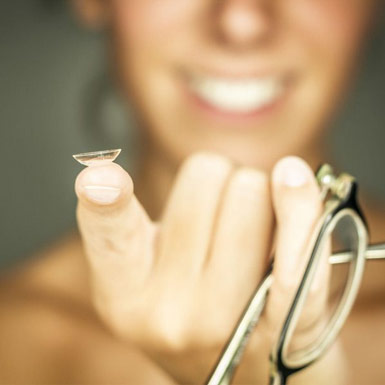
Refractive surgery eliminates the cost of contact lenses, glasses, and additional vision products that can add up to hundreds of dollars per year.

Fewer Health Complications
Corneal infections are common among even the most responsible contact users and can cause significant medical expenses.

Greater Freedom
Getting rid of contacts and glasses can give you the freedom to participate in more activities without worrying about specialized eyewear.
“I Would Rate It 10/10”
“My experience at was amazing. I would rate it 10/10. I would definitely recommend dr.holzman to anyone who is looking to get this procedure done and wants someone who is professional and knows what they are doing. Thank you so much.”
Melodie Tebyanian – 5-Star Google Review – 2019
The Risks of PRK
Photorefractive keratectomy is a surgical procedure, and like any surgery, it involves some degree of risk. However, thanks to Dr. Holzman’s prolific experience, the advanced technology in our office, and the special protocols of Holzman Laser Vision Centers, complications are extremely rare at our practice.
Temporary Side Effects
- Irritation
- Sensitivity to light
- Unstable vision
By following our post-operative instructions and attending your follow-up appointments, you can make sure these side effects gradually subside.
The steroidal eye drops prescribed following PRK surgery also carry some risks. Minor risks include irritation and itching, as well as redness and inflammation.
Potential Complications
There are few serious risks involved in PRK eye surgery, making it one of the safest vision correction procedures available. Patients are often at a greater risk of an allergic reaction to the sedative or their prescription pain medications than any complications related to the surgery itself. We will take measures before surgery to avoid these issues.
In addition, risks associated with the procedure include:

Undercorrection or Overcorrection
If too little or too much tissue is removed from the cornea with the excimer laser, your nearsightedness, farsightedness, or astigmatism may not be properly corrected. Dr. Holzman’s expertise ensures that this almost never happens.

Regression
YAs your eye heals following your surgery, there is a chance that it could regenerate cells that reverse the corrections made during your procedure. We can reduce this risk by prescribing you Mitomycin C.

Corneal Ulcers
One of the more serious risks of a PRK procedure is the development of ulcers in the cornea during recovery. This complication is extremely rare, and antibiotics help reduce this risk.

Dry Eye
Any refractive surgery has the potential of creating dry eyes. We will provide you with specialized eye drops so you can manage this condition until it subsides after a few months.
“Our patients are in good hands.”
We Are Committed to Your Safety
Contact Us Today
At the Holzman Laser Vision Centers overseen by Andrew E. Holzman, MD, FACS, in Washington DC, Maryland, and Virginia, patient safety is the number one priority during any LASIK or PRK procedure. We ensure your safety by:
- Using the most sophisticated surgical technology
- Applying the knowledge gained from over 90,000 vision correction procedures
- Maintaining strict candidacy standards so we don’t perform needlessly risky surgeries
If you want to correct your vision through photorefractive keratectomy, choosing our practice is the best way to ensure your procedure is handled with the utmost care. Start your journey towards 20/20 vision by contacting us online or calling your preferred office location.
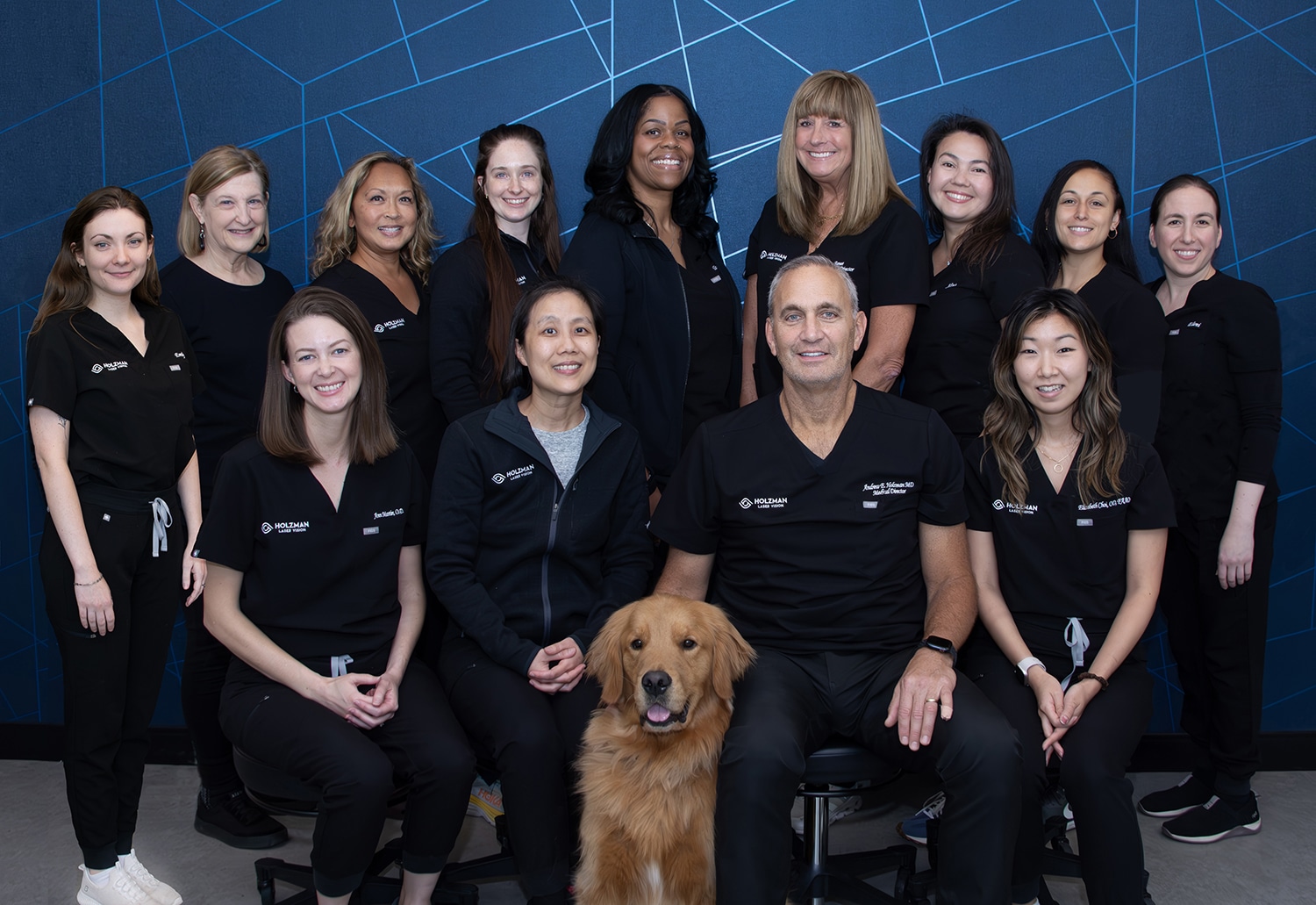
Our friendly team looks forward to serving you.
“I Can’t Recommend Dr. Holzman Enough”

2019
Dr. Holzman was very straightforward about the procedure and very thorough in explaining how everything worked. I didn’t have any real questions because the rest of the staff at TLC answered everything, but he was ready to answer anything I was curious about. The procedure was quick and painless, we pretty much had a conversation the entire time. I can’t recommend Dr. Holzman enough.

2019
I had a wonderful experience here! The entire office staff was so friendly and helpful and put me at ease. I had debated this for decades and I am so glad I did it. My opthamologist raved about the quality job that Dr. Holzman did, as well. Highly recommend!
High-Tech PRK
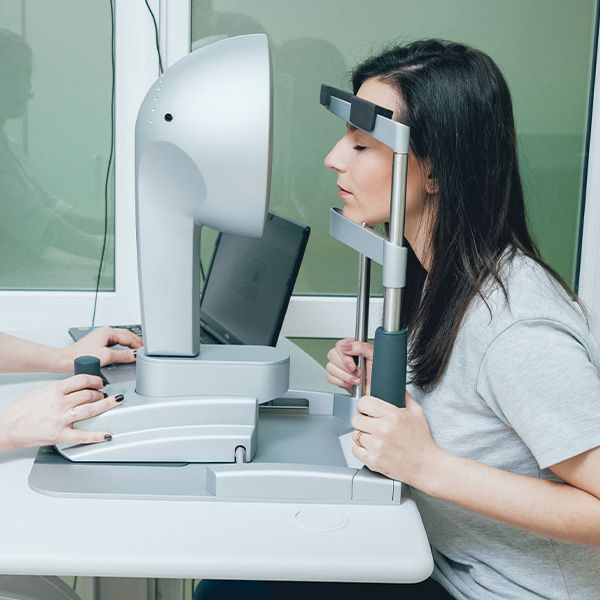
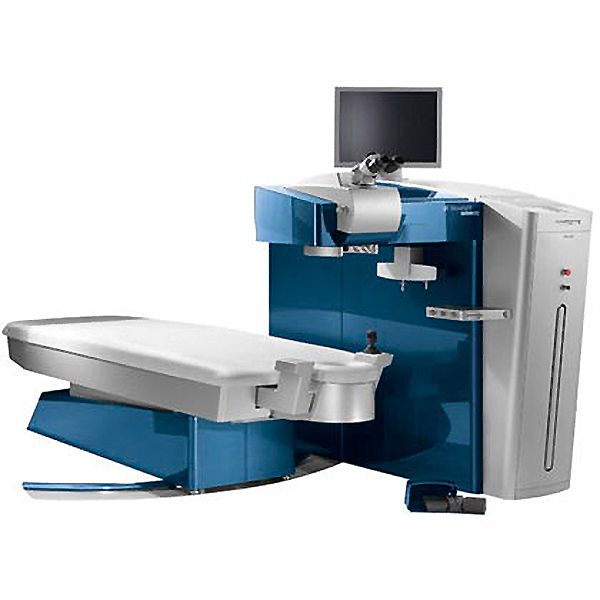
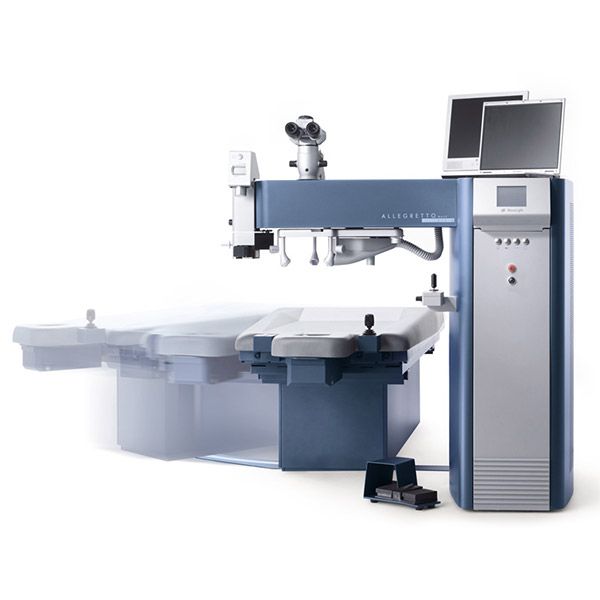
We ensure patient safety and optimal vision correction results by utilizing the most state-of-the-art technology in the field of ophthalmology. Our cutting-edge diagnostic tools and excimer lasers allow us to complete both LASIK and PRK procedures with increased precision, reduced surgery and recovery time, and minimized risk of complications. Some of our favorite tools are:
PRK and LASIK
The Similarities
- Same Doctor – Andrew E. Holzman, MD, FACS, of the greater Washington DC area is equally experienced in both eye surgeries. His vast experience with both procedures enables him to confidently recommend which treatment is the right option for you and your vision.
- Same Goal – Both operations are refractive surgeries intended to correct vision problems by reshaping the cornea with an excimer laser. Both procedures take the same approach of correcting nearsightedness, farsightedness, or astigmatism by precisely removing corneal tissue.
- Same Results – LASIK and PRK surgery both have the potential to give you 20/20 vision or better. The enhancement will last a lifetime, but both LASIK and PRK patients are still susceptible to natural vision degradation related to aging.
The Differences
- Different Candidates – About 80 percent of patients who inquire about LASIK at our practice are not good candidates for LASIK, but may be better qualified for PRK eye surgery because they have thin corneas or are especially at risk for damaging a corneal flap.
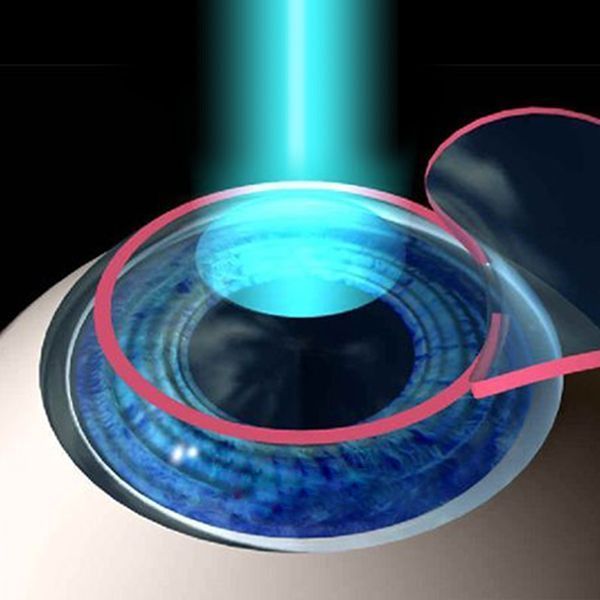
- Different Approach – LASIK surgery accesses the stroma, the underlying tissue of the cornea, by peeling back an ultra-thin top layer of the cornea. PRK surgery, on the other hand, removes the top layer of the cornea entirely.
- Different Recoveries – Patients who undergo LASIK experience instantly noticeable improvements in their vision and do not require any bandages. The results of PRK, on the other hand, take longer to become evident, and recovery involves wearing specialized contact lenses as a bandage.
Still Curious about LASIK?
Dr. Holzman is one of the most sought-after laser eye surgeons on the east coast. He has performed LASIK on multiple professional athletes, celebrities, and fellow eye doctors. If you think LASIK is the right choice for your vision needs, you can do no better than Dr. Holzman.